
An Australian manufacturer looking for a European distributor should start by choosing one target market and being clear about the customers, capabilities and commercial commitment it needs from a partner.
From there, the work is to identify candidates, check their portfolios and references, and talk through how each would sell and support the product before agreeing terms. A distributor’s reach matters. So does its ability, and its willingness, to develop the business.

For many manufacturers, a distributor is the most practical route to customers in a new country. The right partner brings market knowledge and existing relationships. In exchange, you give up some direct control over how your products are presented and sold. A good selection process accounts for both sides of that trade-off.
Choose a first market before building a distributor list
Europe is not a single sales territory. Customer requirements, languages, distribution structures and delivery costs differ from one country to the next, and a partner with a strong network in Spain may have little access in Germany or France.
Start with the product and the buyer. Which customer segment could benefit from your offer? What alternatives do they already have? How would the product reach them, and what would it take to deliver and support it locally?
Spain can be a good first market when its customer base and channels fit the offer, but it should still be weighed against other destinations. The aim is to pick a country you can realistically test with the resources you have, not to assume the largest market is the best place to start.
Our guide to international market entry for Australian companies explains how market selection, demand validation and local commercial support fit together.
Define what the distributor needs to do
Before approaching anyone, write a short partner profile: the customers you want to reach, the territory you want to cover and the role you expect the distributor to play. A manufacturer of a technical product may need a partner that can train installers, handle after-sales questions and look after specialist buyers. A product with a simpler sales process may need strong access to retailers or industrial purchasing teams instead.
These are the criteria we find most useful:
Separate what is essential from what is merely preferable. A smaller distributor with the right sector relationships and a clear plan can be a better fit than a larger one whose sales team has no particular reason to prioritise your product.
Want a second opinion on your partner profile before you start contacting distributors?
Talk to our teamBuild a list from market evidence, then check the candidates
Industry associations, trade fairs, specialist directories and conversations with potential customers all help identify the companies active in your chosen market. Distribution networks for complementary products are also worth studying: they show which businesses already reach the buyers you are targeting.
At this stage, a company name is a lead, not a qualified partner. Review each candidate against the same profile and note where information is missing. Look at its product portfolio, customer segments, locations and the technical or commercial support it can offer. A website is a reasonable starting point, but it tells you nothing about the quality of a distributor’s customer relationships or how much capacity it would give a new supplier.
Ask candidates how they have introduced new products in the past, which customers they think yours could serve and who would actually work on the account. Where it makes sense, ask for references and verify company details through public registers or professional advisers. How far you go should depend on the product, the market and the relationship you have in mind.
A good shortlist makes the final choice easy to explain. For each candidate, record the evidence behind its fit, the open questions and anything that needs resolving before a commercial agreement.
Use the first meeting to test the business case

The first conversation shows you how a distributor would approach the opportunity. Bring a concise product presentation and be ready to discuss the customer problem, positioning, technical requirements and the support you can provide from Australia.
Then ask the questions that reveal how they think. Which customers would they approach first, and why? How would they introduce the product to their sales team? What information, training or samples would they need? What objections do they expect from buyers?
The answers should tell both sides whether the product has a credible route to market. One distributor may have wide coverage but little experience in your segment; another may know the buyers well but need help with technical training. Each calls for a different kind of support from you.
After every meeting, write down what was agreed, who owns the next step and when it is due. A good meeting leaves you with enough information to proceed, change the approach or move on.
Discuss commercial terms before promising exclusivity
Interest from a distributor is not the same as an agreed sales plan. Before committing, work through how the relationship would run in practice: pricing and margins, payment and delivery terms, stock expectations, marketing support, training, after-sales responsibilities and reporting.
Exclusivity deserves particular care. It can give a distributor the confidence to invest in a market, but it can also tie your hands if the relationship stalls. Rather than treating it as the default, agree the territory, duration, performance expectations and review points, so both parties know what they are signing up to and what happens if the plan needs to change.
Any agreement should reflect the product, the countries involved and each party’s responsibilities. Take qualified legal advice on the terms and applicable requirements before signing.
Plan the first phase together
Even a well-chosen distributor needs a workable launch plan. Agree which customer segments to approach first, what materials and training are needed, how opportunities will be tracked and how often the two teams will review progress.
Set measures that mean something before sales have matured: relevant buyer conversations, product demonstrations, feedback on technical requirements and the next step attached to each opportunity. Sales matter, but early feedback tells you whether the offer, pricing or channel needs adjusting. If the same objection keeps coming up, the product presentation or technical documentation probably needs more work before a wider launch.
For an Australian team working across time zones, clear ownership is especially valuable. Decide who answers technical questions, who approves commercial terms and who follows up after meetings.
A real example: an Australian manufacturer in Spain
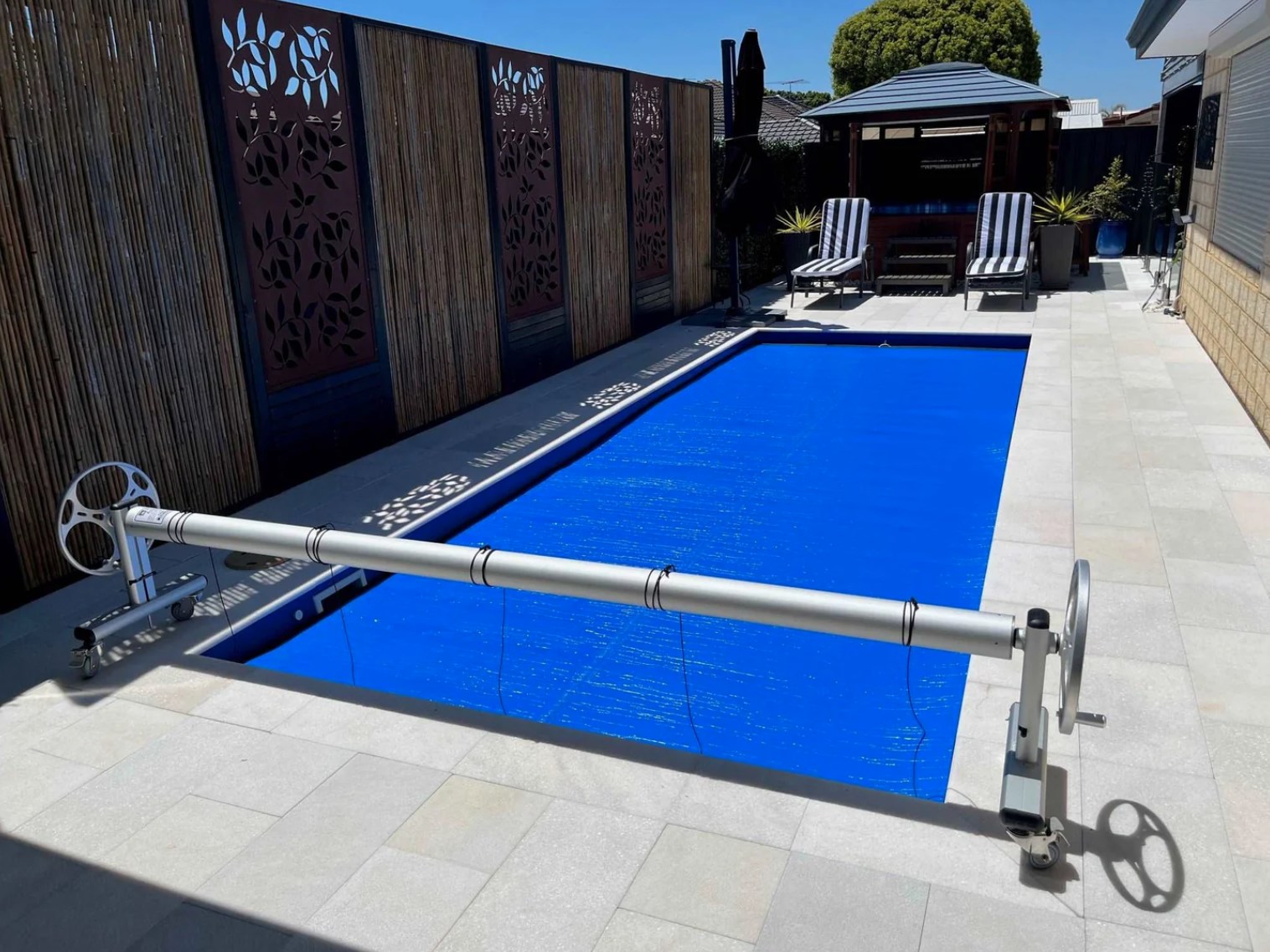

Elite Pool Covers
Elite Pool Covers, an Australian manufacturer of high-end pool cover fabrics, was looking for distributors in Spain. On Austrade’s recommendation, Gedeth searched for and selected potential distributor companies and provided ongoing commercial support throughout the process.
The published case describes that work as a foundation for entering the Spanish market. It shows the practical role a local partner can play in finding candidates and supporting commercial conversations, though it does not establish a sales figure or guarantee the same outcome elsewhere.
Know when to bring in local support
Your own team may be able to research candidates and hold first conversations remotely. Local support becomes useful when the search depends on sector contacts, conversations in the local language or sustained follow-up with potential partners.
Agree the scope from the start: which market and customer profile the search covers, how candidates will be qualified, what information will be delivered and who makes the final decision. A local partner can organise the work, but the decision on fit, and the approval of the relationship, stays with you.
Our B2B matchmaking service combines target selection, personalised outreach, meeting coordination and follow-up. For an Australian manufacturer weighing up a European market, the first step is the same either way: define the customers you want to reach and the evidence you need before choosing a distributor.