

Finnish companies looking at Germany or Sweden usually reach the same point: they know there is demand somewhere, but not who should help them find it. Some need research. Others need introductions to buyers, or someone in the market to follow up week after week. The right partner depends on which of those you actually need, so that is the place to start.
Both countries matter to Finland. The International Trade Administration lists Sweden and Germany among Finland’s largest goods trading partners in 2024. Useful context, but it says nothing about where your next customer is.
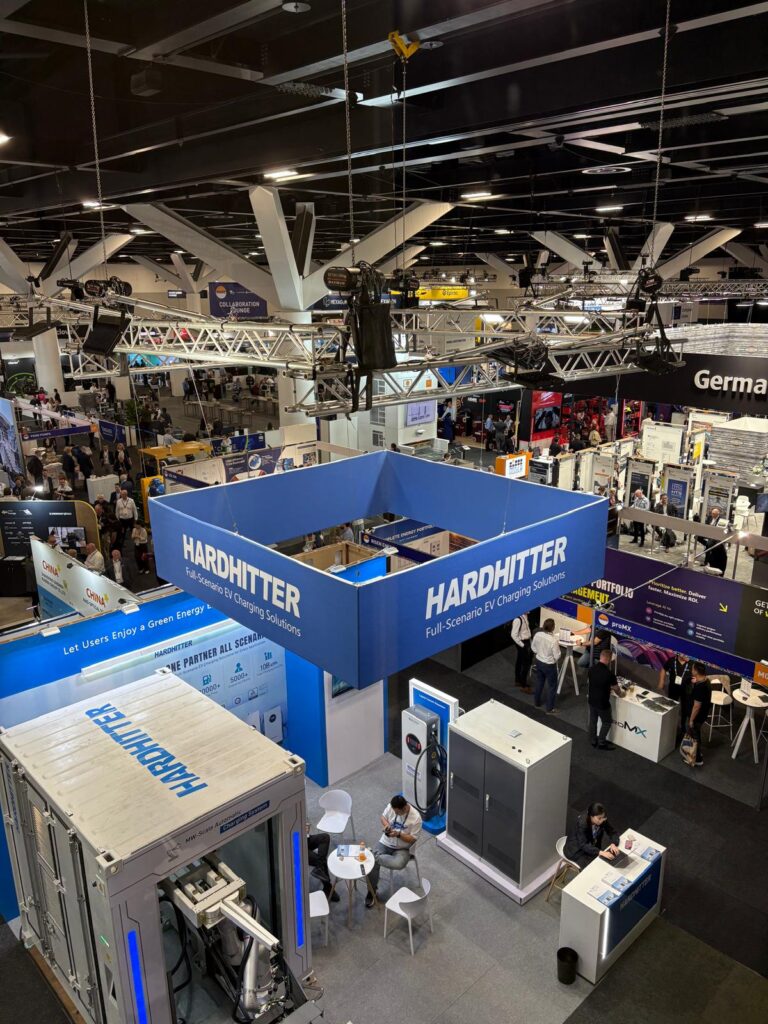
Germany or Sweden? Start with your customer, not with the country
The question is rarely which country is better. It is which customers, with which problem, give you the best reason to go in first.
The two markets ask different things of a Finnish team. Sweden is close, with frequent sea and air connections, and Swedish is one of Finland’s official languages, so some companies already have people who can sell in it. Germany is larger and more regional, and getting to the right buyers often means working through sector channels and doing it in German. Neither point settles the decision, but both change the cost and pace of a first test.
Take two examples. An industrial supplier gets enquiries from Swedish equipment makers but has no idea how those companies buy. A software firm has a German reseller interested, but does not know whether that reseller can reach the right customers or support them after the sale. Different situations, different next steps.
Compare both markets with the same questions: where your buyers are, what problem you solve for them, how they deal with it today, and what it costs you to reach and serve them, including travel, delivery, support and your team’s time. The bigger market is not automatically the better first move.
When you talk to advisers, ask them how they would make that comparison for your offer specifically. You should come away with a priority segment, the evidence behind it and the assumptions still to test. Country statistics on their own will not get you there.
Talk to real buyers before you commit budget to a market
Validation means putting your assumptions in front of people who could buy, distribute or influence the purchase, and asking more than whether they like the product. How do they solve the problem now? What would make them change? Who signs off? What would they need to see first?
Agree a target profile before anyone picks up the phone: sector, company size, role, location and the problem you address. Agree too what counts as a qualified opportunity. A meeting is only worth having if you know why that company is relevant and what should happen afterwards.
Decide early which materials, conversations and after-sales support need to be in German or Swedish. One English deck rarely works for every audience, and a straight translation will not make a weak pitch convincing.
Three types of market entry support, and how to tell which one you need
Market entry support covers very different work, and proposals often blur it. Roughly, it comes in three levels:
Assessment
You have not chosen a market yet. You need segments, routes to market and likely obstacles compared side by side.
Qualified introductions
You know your target customers but lack contacts. This is what our B2B matchmaking service does.
Ongoing commercial work
The gap is sustained follow-up: prospecting, first contact, qualifying interest. Closer to commercial outsourcing than consulting.
Whatever the proposal, ask what is included, what is not, and which decisions stay with you. If you will need legal, tax or product-compliance advice, settle who is responsible for getting it.
Our internationalization plan covers company analysis, market selection and an action roadmap, and connects them to local execution. The scope is agreed with each company before work starts.
Who will actually work with your buyers on the ground?
A list of countries on a website does not tell you who will call buyers or chase a lead after a meeting. Before signing, ask for names and roles, where those people are based, whether they work with buyers in German or Swedish, and whether they are employees, independent specialists or a partner firm. Ask who checks the quality of what is reported to you and who your day-to-day contact will be.
Coordination is rarely the hard part between Helsinki, Stockholm and Berlin, with only an hour’s time difference. What causes problems is unclear ownership, so agree who does what from the first week.
Gedeth works through owned offices and strategic partners, and Germany, Sweden and Finland are among our markets. We confirm the team and local set-up for each assignment.
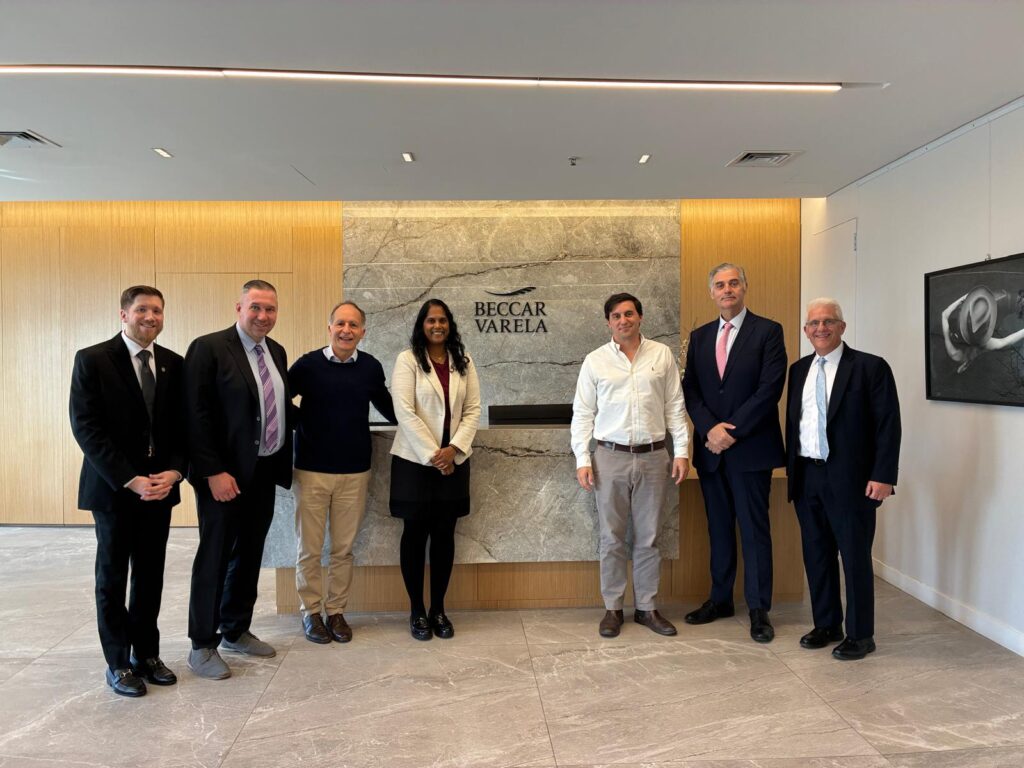
Put deliverables, reporting and costs in writing from day one
A good proposal makes the work visible. Depending on the assignment, that could mean a market and segment assessment, criteria for choosing buyers or distributors, a list of researched targets, notes from each conversation and a recommended next step for every qualified lead.
Agree how often you will get updates and where the information will live. A simple pipeline should separate companies identified, contacts made, conversations held and opportunities your team has taken on. Record objections and the reasons a lead was dropped as well. They are often the most useful feedback on your offer.
Talk about money and limits up front: fixed fees, variable costs, travel, third-party expenses, and what happens if the project changes direction. Do not judge the work on meeting count alone. A few relevant conversations that show whether there is a real route to market are worth more than a full calendar.
Make sure you can deliver before you start selling
Assess the commercial opportunity and your ability to deliver together. Depending on the product, that means documentation, customer support, logistics, contracts, tax and sector rules, ideally with qualified advisers, before the first prospect asks.
For physical products, requirements vary. Your Europe explains that CE marking only applies to products covered by EU rules that specifically require it, so check what applies to yours, including national rules, before you claim compliance.
Begin with a first phase that ends in a clear decision
Before committing to a long engagement, ask what the first phase will establish and what decision comes after it: enter one market, adjust the offer, try another segment, or wait until you have the resources to follow up properly.
If you are weighing Germany, Sweden or another European market, get in touch and we can talk through what your expansion needs.
Common questions about entering Germany or Sweden from Finland
Which consultant should I hire if my company wants to enter the Swedish or German market?
One whose support matches the work you need: an assessment if you have not chosen a market, qualified introductions if you know your target customers, or ongoing commercial work if you need sustained follow-up. Before signing, ask who will work in the market, what they will deliver and how they will report.
Should a Finnish company enter Germany or Sweden first?
It depends on where your buyers are, how they buy and what it costs to reach and serve them. Compare both with the same questions and start where you can test demand with the resources you have.
What should a market entry proposal include?
Scope, named people and roles, concrete deliverables, a reporting rhythm, all fees and expenses, and the decision the first phase is meant to support.