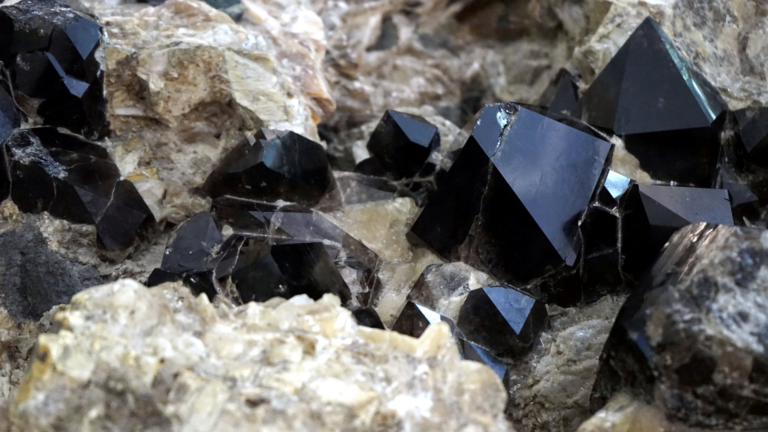
The world is in the middle of a quiet but decisive contest. It is not fought over oil or gas, but over critical minerals — lithium, copper, nickel, cobalt and rare earth elements — the raw materials that make electric vehicles, batteries, semiconductors, wind turbines and defence systems possible. As the energy transition accelerates and advanced technology becomes central to national security, securing a stable supply of these minerals has become a strategic priority for governments and companies alike.
Three countries have moved to the centre of this race: Australia, Chile and Argentina. Together they hold a decisive share of the world’s lithium and copper, and the choices they make over the coming years will shape global supply chains, trade flows and investment opportunities. For international companies, understanding this shift is no longer optional — it is a competitive necessity.
Why critical minerals matter now
Demand for critical minerals is rising faster than almost any other commodity class. The shift to electric mobility, the build-out of renewable energy, and the rapid expansion of data centres and advanced manufacturing all depend on a reliable flow of these inputs. A single electric vehicle requires several times more minerals than a conventional car, and every wind turbine, battery and microchip adds to the demand.
At the same time, supply is highly concentrated — both geographically and, even more critically, in processing and refining, where a small number of countries control a dominant share of global capacity. That concentration has turned minerals into a geopolitical issue. The European Union’s Critical Raw Materials Act and the industrial policies of the United States both aim to diversify supply away from any single source and towards trusted partners. This “friend-shoring” of raw materials is exactly what places Australia, Chile and Argentina in such a strong position: they combine large reserves with relative political stability and a growing network of trade agreements.
Australia: the mining powerhouse
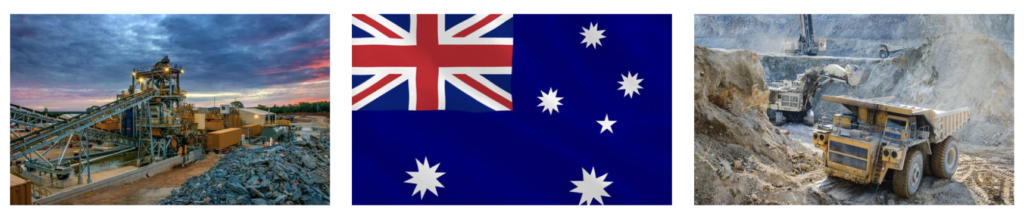
Australia is the world’s largest producer of mined lithium and a major supplier of iron ore, nickel, cobalt, bauxite and rare earth elements. Its mining sector is mature, well-regulated and supported by decades of expertise, world-class infrastructure and deep capital markets.
Crucially, Australia is also one of the few significant producers of rare earth elements outside the dominant global supplier, which makes it strategically important to Western supply chains. The Australian government has made critical minerals a national priority, backing the sector with dedicated strategies and financing. Combined with the country’s extensive network of trade agreements — and ongoing negotiations with the European Union — this gives Australia a central role in the new minerals map.
For international companies, Australia offers a transparent, low-risk investment environment and a clear regulatory framework, although operating costs and labour can be high. It is often the natural starting point for businesses seeking secure, long-term mineral supply.
Chile: the copper and lithium leader
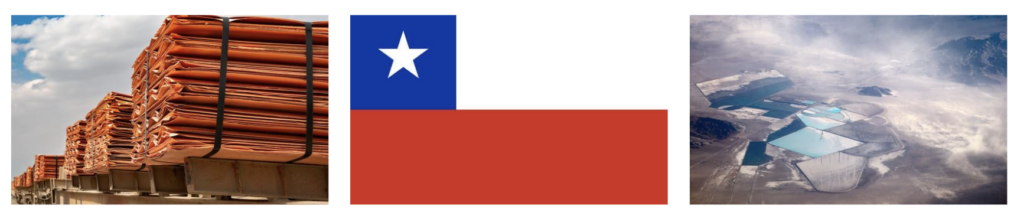
Chile is the world’s largest copper producer and one of the leading producers of lithium. Its lithium comes primarily from the brines of the Atacama salt flat, one of the lowest-cost and highest-quality sources on the planet. Copper, meanwhile, remains the backbone of the Chilean economy and is essential to electrification worldwide.
Chile has moved to take a more active role in managing these resources. Its National Lithium Strategy introduces greater state participation through public-private partnerships, while still inviting private investment, technology and expertise. For companies, this means the opportunity is significant but the regulatory framework is evolving: success depends on understanding how Chile is balancing resource sovereignty with the need for foreign capital.
Argentina: the rising star
Argentina is the fastest-changing piece of the puzzle. As a core member of the “Lithium Triangle,” it sits on some of the world’s largest lithium resources, concentrated in the provinces of Jujuy, Salta and Catamarca. Historically, output lagged behind its neighbours, but that is changing quickly.
Recent macroeconomic reforms and a new incentive regime for large investments — offering tax, customs and currency stability for major projects — have made Argentina far more attractive to foreign capital. Several lithium projects are scaling up, and the country is increasingly seen as one of the most promising mining destinations in the region. The trade-off is clear: Argentina offers higher growth potential, but companies must manage currency and macroeconomic risk with care.
The Lithium Triangle and the new map of trade
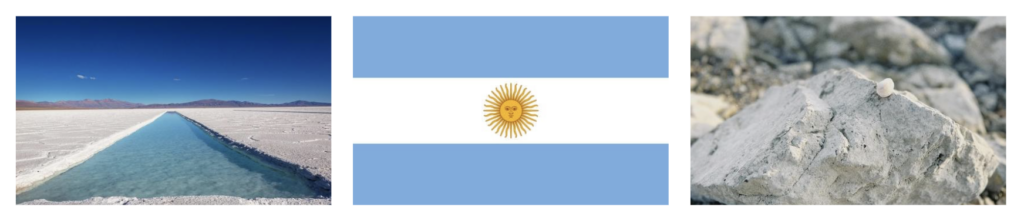
Together, Argentina and Chile — alongside Bolivia, whose vast reserves remain largely undeveloped — form the Lithium Triangle, which holds roughly half of the world’s identified lithium resources. Combined with Australia’s hard-rock lithium and Chile’s copper dominance, these countries form a genuine counterweight to concentrated global supply.
This is already reshaping trade. New corridors are emerging between South America, Asia and Europe; new processing hubs are being planned; and there is growing pressure for these countries to move beyond exporting raw material toward value-added processing at home. For companies that depend on these inputs, the geography of supply is being rewritten.
Opportunities for international companies
The critical minerals race opens several doors for international businesses:
- Direct investment and joint ventures in mining and processing projects.
- Long-term offtake and supply agreements that secure inputs at predictable terms.
- Technology and services — engineering, water management, environmental and ESG expertise, equipment and digital solutions.
- Downstream opportunities in battery components, refining and advanced materials, as these countries seek to capture more value locally.
Companies across the electric vehicle, battery, electronics, defence and renewable energy value chains have a strategic interest in establishing a presence or partnerships in these markets — not only to secure supply, but to be early in regions that will define the next decade of industrial growth.
Risks to weigh
The opportunity comes with real challenges. Resource nationalism and shifting regulation can change the terms of investment. ESG scrutiny is intense, particularly around water use in arid mining regions and relations with local communities. Mineral prices can be volatile, swinging sharply with global demand. And in some markets, currency and macroeconomic risk must be managed carefully. A well-structured market entry strategy, built on reliable local knowledge, is essential.
How Gedeth can help
Navigating the critical minerals landscape requires more than market data; it requires on-the-ground insight, regulatory understanding and trusted local partners. Gedeth Network helps international companies assess opportunities, structure their market entry and build the partnerships needed to participate in Australia, Chile and Argentina with confidence. If your business depends on critical minerals, or wants to position itself early in this fast-moving market, our team is ready to help you take the next step.