
Gedeth Network coordinated 138 virtual meetings between local contacts and 20 Canadian companies, creating a tailored individual agenda for each participating business. The meetings took place online during the COVID-19 pandemic. The program shows how individually tailored agendas can bring companies into direct conversations with local contacts even when travel is not possible.
A trade mission brings companies together under one program, but each participant has its own offer and commercial objectives. An agenda is most useful when it reflects those differences: a potential distributor, buyer or partner needs a reason to meet the company, and the company needs to know what it wants to learn from that conversation.
For the Canadian program, Gedeth organized a tailored individual meeting program for each of the 20 participating companies. In total, it set up and coordinated 138 meetings with local contacts. All meetings were held virtually through an online platform during the pandemic.
“Gedeth successfully organized a tailored individual meetings program for each of the 20 Canadian companies. In total Gedeth Network set up and coordinated 138 meetings between canadians and local contacts. Due to the ongoing COVID-19 pandemic all meetings were held virtually through an online platform.”
Yves Belliveau
First Secretary & Trade Commissioner
The Canadian program demonstrates the delivery of individual agendas and coordinated meetings. Gedeth’s current B2B matchmaking approach describes the wider work that can support an agenda: market analysis, defining target companies, personalized outreach, meeting management and follow-up.
A company seeking a distributor needs a different conversation from one looking for a direct buyer or a strategic partner. The objective determines which organizations to approach and what role the contact should have.
Potential targets are assessed against the market, sector and offer, and a shortlist is agreed before any outreach starts.
Each prospective contact receives a clear reason to consider the meeting.
Once a meeting is agreed, the agenda and logistics need to support a useful conversation rather than simply fill a calendar.
The public information about the Canadian program confirms the tailored agendas and meetings. It does not specify every preparation or follow-up step used in that particular project.
Tell us the market and what you want to achieve.
The 138 meetings show the scale of the program. On their own, they do not tell us how many discussions led to a second meeting, a commercial proposal or a contract. Those outcomes are not included in the published information about this case.
For a company planning a new market entry, meeting quality depends on whether the contact fits the agreed objective and whether there is a credible reason for the discussion. A relevant meeting can also reveal that the offer or route to market needs to change. A negative answer is useful when the reason is understood and recorded.
Depending on the opportunity, that action may be a second conversation, a request for technical information or a decision not to proceed.
Tracking those steps separately from the number of meetings helps a team understand what happened after introductions.
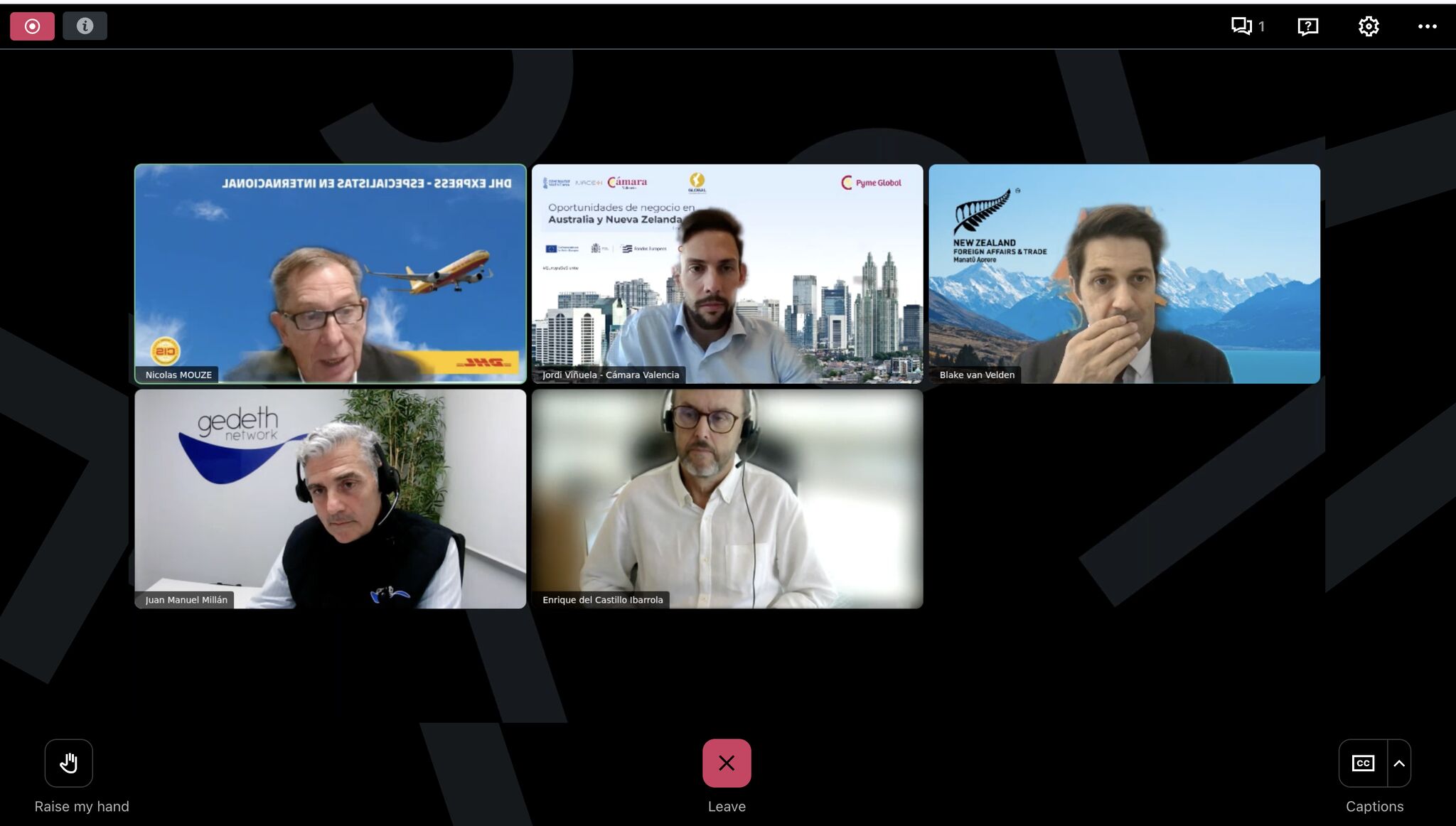
The Canadian program was entirely virtual. It demonstrates that individually tailored B2B agendas and direct conversations can be coordinated without an in-person event. The format does not, by itself, establish whether those meetings were more or less effective than face-to-face meetings.
The right format depends on the purpose of the program and the companies involved. What remains important is the work around the conversation:
Tell us the market and what you want to achieve, and we will tell you whether a meeting program makes sense.